|
Cinnamon Rolls
& Pecan
Rolls
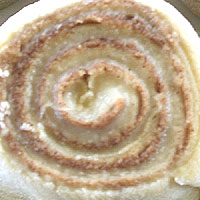 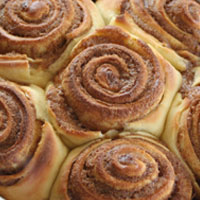 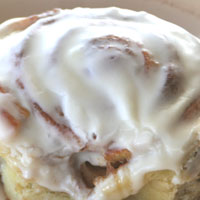
These cinnamon rolls are soft and delicious, filled with a rich cinnamon-sugar slurry, and topped with cream cheese frosting.
The method is the same for the pecan rolls. Instructions for these are
included.
|
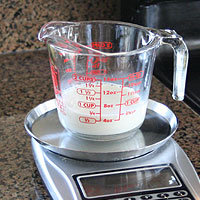
Measure a little more milk than called for in a microwave safe container (some will evaporate). Scald
the milk by microwaving it until it boils rapidly but doesn't overflow, 1-2 minutes. |
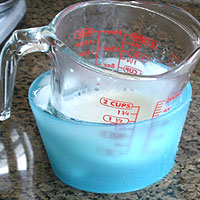
Let cool to 105-115 degrees or less. You can
use an ice bath to speed the process. If you don't have a thermometer,
go by touch. When the temperature is correct re-measure the milk, add the
yeast and mix well. Set aside 5-10 minutes.
|
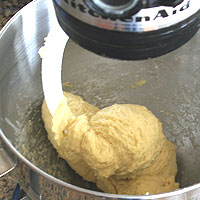
Measure the flour and eggs in a stand mixer or in a
large bowl if mixing by hand. When the milk is ready add it to the
flour and knead until just combined. Cover with plastic wrap and autolyse (let it rest) 15-20 minutes. |
1/2
c + 1T (4.4 oz) scalded milk, plus a little more due to evaporation
2 t instant yeast
3 extra large eggs
3 c (15 oz) all purpose flour
1/4 c (2 oz) brown sugar
1 1/2 t salt
1/4 c (2 oz) butter at room temperature
Scalding the milk
denatures the proteins that attack the gluten which is necessary for good
roll structure.
It is fine if the milk is cooler than 105 degrees, it
will still work. However if it's above 115 degrees it will kill
some of the yeast. 105-115 is the temperature of a hot bath.
The
autolyse is a rest period in which the gluten strands can form without
over-mixing the dough.
|
 |
 |
|
Measure the sugar, salt, and butter. Add to the
rested dough and knead 5 minutes.
|
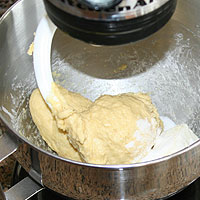
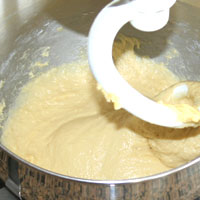
The dough should be glossy and very soft. It will not
clean the sides of the bowl. It should be sticky, but able to hold a shape.
Cover and rise 90 minutes. |
|
|
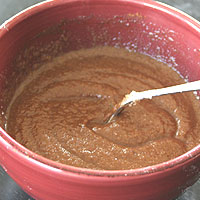
Microwave the butter until just melted. Add the brown sugar, cinnamon, and pudding. Set aside.
|
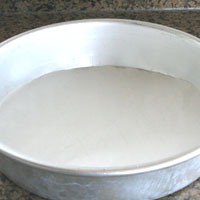
Line the bottom of a 9” round cake pan or
a half-sized sheet pan with parchment paper, lightly spray the paper and sides with cooking spray.
|
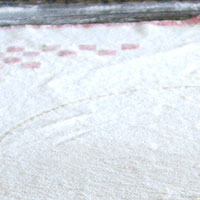
Flour a canvas mat or your work surface. Mark
off a 19" x 22" square. The shorter side should be parallel to you. |
1 c butter (no, this is not a typo)
1 c brown sugar
1 1/2 T cinnamon
1/2 smallpacket vanilla instant pudding
Most recipes tell you to spread the butter directly on the dough followed by a layer of sugar, then cinnamon. I have found that not only is this messy, but the butter bakes into the dough on one side and the sugar bakes in on the other or just falls to the bottom.
Making a slurry before it is spread onto the dough keeps it between the layers of dough giving you a rich moist filling.
The large amount of butter is also a key to the success of this!
I add vanilla pudding as an aid to keep the filling in the center. The pudding absorbs moisture, pulling it into the center as opposed to it being pulled into the roll. There is not a pudding taste to the rolls.
Don't add more than is called for in the recipe or it will be too heavy for
the dough.
|
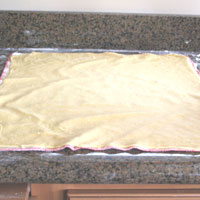
Roll the dough very thin to fit the square. The
dough and the filling should be close to the same thickness. Make sure it is not sticking
to the work surface as you go or you’ll end up with a big mess. If the dough resists stretching let it rest a minute or two and try again so it won’t tear and will stretch evenly. |
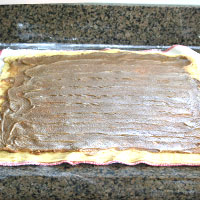
Gently spread the filling over the dough leaving a
1/2" space on the length. |
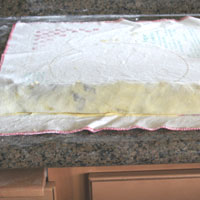
Roll from the top down. |
A canvas baking mat and rolling pin sleeve are wonderful for soft rolls, pie crusts, sugar cookies, and many other soft doughs. You can flour them generously and the excess flour works into the mat and the sleeve leaving the dough soft. You can get them for $10 on
http://www.thebakersplace.com/pastrymat.html.
The dough and the filling should be close to the same thickness. The dough will rise later and be much larger. Cinnabon's rolls have equal proportions of filling and dough at this stage.
|
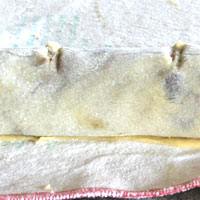
Place a piece of dental floss or string under the
dough and cut off the 1/2" edges.
Before you start slicing them, lightly score the top of the roll into 12
equal pieces.
|
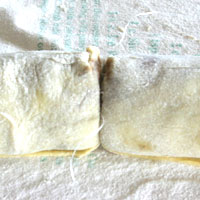
Slide the floss under the roll, cross the ends until
is cuts through.
|
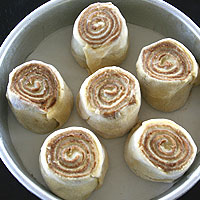
The picture shows 6 large rolls. I prefer
12 smaller ones, but either works great.
Place in the prepared pan evenly spaced. You can refrigerate the rolls at this point up to 24 hours. Remember to remove them one hour prior to baking.
You can also freeze them. If you are baking them right away, let them rise 30-60 minutes
or until tripled in size. |
Floss gives the rolls a much cleaner and uniform cut than a knife will.
To freeze these, shape and place in a prepared pan. Cover well and
freeze. When they are frozen they can be transfered to a plastic bag.
Freeze up to four months. To bake, prepare a pan as described in the
recipe. Let the rolls rise until tripled in size. Bake as
directed. You can also defrost them in the refrigerator overnight,
then rise and bake.
|
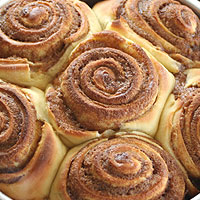
Position an oven rack in the center of the oven and
heat to 350 degrees 10-15 minutes before baking. Bake 15-20 minutes
until golden brown on the top and baked through. |
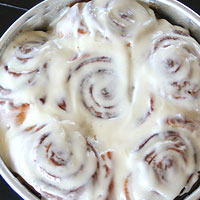
While they are still warm
top with cream cheese frosting.
Spread evenly.
|
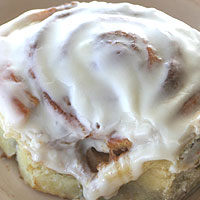
Serve hot!
|
To test the rolls to see if
they're done, touch the center of the
middle roll. If it spring back firmly it is done. If it feels a
little soft, give it more time or they'll be doughy.
|
Problems
Dough/Filling Proportion
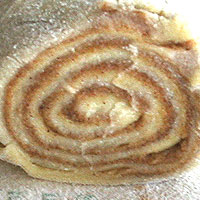
The dough and the filling should be close to the same thickness. The dough will rise later and be much larger. Cinnabon's rolls have equal proportions of filling and dough at this stage.
Hard Butter
The butter in the dough can be a problem if it is hard. It will not mix properly and the dough will look more like a batter than the glossy dough that it should be..
Rolls won't hold a shape
The dough should be very sticky, but if
the rolls won't hold a shape, they don't have enough flour.
Overproofing
If the dough or the rolls are left to
rise too long it will overferment. This produces a yeasty taste. They also
may deflate before putting them in the oven.
|
|
|
Cinnamon Rolls
makes
12
Dough
1/2 c + 1T (4.4 oz) scalded milk, plus a little more due to evaporation
2 t instant yeast
3 extra large eggs
3 c (15 oz) all purpose flour
1/4 c (2 oz) brown sugar
1 1/2 t salt
1/4 c (2 oz) butter at room temperature
Filling
1 c butter (no, this is not a typo)
1 c brown sugar
1 1/2 T cinnamon
1/2 small packet vanilla instant pudding
Cream Cheese Frosting (click for
recipe)
1.
Measure a little more milk than called for in a microwave safe container (some will evaporate).
(1)Scald the milk by microwaving it until it boils rapidly but doesn’t overflow, about 1 ½ minutes. Let cool to
(2)105-115 degrees or less. You can use an ice bath to speed the
process. If you don’t have a thermometer, go by touch. When the temperature is correct re-measure the milk, add the yeast and mix well. Set aside 5-10 minutes. Measure the flour and eggs in a stand mixer or in a large bowl if mixing by hand. When the milk is ready add it to the flour and knead until just combined. Cover with plastic wrap and
(3)autolyse (let it rest) 15-20 minutes.
2.
Measure the sugar, salt, and butter. Add to the rested dough and knead 5 minutes. The dough should be glossy and very soft. It will not clean the sides of the bowl. It should be sticky, but able to hold a shape. Cover and rise 90 minutes.
3.
Microwave the butter until just melted. (4)Add the brown sugar, cinnamon, and
(5)pudding. Set aside.
Line the bottom of a 9” round cake pan or a half-sized sheet pan with parchment paper, lightly spray the paper and sides with cooking spray.
Flour a canvas (6)mat or your work surface. Mark off a 19” x 22” square. The shorter side should be parallel to you. Roll the dough very thin to fit the square. The dough and the filling should be close to the same
(7)thickness. Make sure it is not sticking to the work surface as you go or you’ll end up with a big mess. If the dough resists stretching let it rest a minute or two and try again so it won’t tear and will stretch evenly.
4. Gently spread the filling over the dough leaving a ½” space on the length. Roll from the top down. Place a piece of dental
(8)floss or string under the dough and cut off the ½” edges.
Before you start slicing them, lightly score the top of the roll into 12
equal pieces. Slide the floss under the roll, cross the ends until is cuts through. Place in the prepared pan
evenly spaced. You can refrigerate the rolls at this point up to 24 hours. Remember to remove them one hour prior to baking.
You can also (9)freeze them. If you are baking them right away, let them rise for 30 minutes
or until triple in size.
5. Position an oven rack in the center of the oven and
heat to 350 degrees 10-15 minutes before baking. Bake 15-20 minutes
until golden brown on the top and baked (10)through.
6.
While they are still warm top with cream
cheese frosting. Spread evenly. Serve hot!
Pecan Rolls
Follow the instructions for the cinnamon rolls dough.
Filling
1 c butter
1 c brown sugar
1/2 packet instant butterscotch pudding
1 c chopped pecans
1/4 c chopped pecans (not part of the filling, but roast them with the others and set aside to top on the rolls)
Roasted Pecans
1.
Heat a skillet over medium heat add the pecans and roast stirring occasionally until fragrant. Do not burn! Set aside.
2. Microwave the butter until just melted. Add the brown sugar, pudding, and roasted pecans. Set aside.
3. Follow the cinnamon roll instructions for forming, rising and baking the rolls.
4. Top the rolls with the butterscotch frosting and reserved 1/4 c of the roasted pecans.
Jellyroll Pan Instructions
To make a full jelly
roll pan, you will need to double the recipe. Follow the same instructions
with the following exceptions.
1. Line a jellyroll
pan with two sheets of foil width wise on the pan. Cut the foil long enough
to have excess on all sides of the pan. This you will use to shield the
outer rolls from over-baking..
2. It's easiest cut the dough in half before rolling it
out and working in two batches. Cut each batch in 12 equal pieces and place
on the prepared pan. Place four rolls by width and 6 by length..
3. Shield the sides and cover the top with plastic
wrap. At this point youucan refrigerate them up to a day. Remove them 1-2
hours before baking. To bake the same day, rise 60 minutes at room
temperature..
4. Preheat the oven to 350 at least 15
minutes before baking. Bake 25-30 minutes or until the center rolls are
lightly browned and baked through.. Tear off excess foil and frost.
Notes
1. Scalding the milk
denatures the proteins that attack the gluten which is necessary for good
roll structure.
2. It is fine if the milk is
cooler than 105 degrees, it will still work fine. However if it's
above 115 degrees it will kill some of the yeast. 105-115 is the
temperature of a hot bath.
3. The autolyse
is a rest period in which the gluten strands can form without over-mixing
the dough.
4.
Most recipes tell you to spread the butter directly on the dough followed by a layer of sugar, then cinnamon. I have found that not only is this messy, but the butter bakes into the dough on one side and the sugar bakes in on the other or just falls to the bottom.
Making a slurry before it is spread onto the dough keeps it between the layers of dough giving you a rich moist filling.
The large amount of butter is also a key to the success of this!
5.
I add vanilla pudding as an aid to keep the filling in the center. The pudding absorbs moisture, pulling it into the center as opposed to it being pulled into the roll. There is not a pudding taste to the rolls.
Don't add more than is called for in the recipe or it will be too heavy
for the dough.
6.
A canvas baking mat and rolling pin sleeve are wonderful for soft rolls, pie crusts, sugar cookies, and many other soft doughs. You can flour them generously and the excess flour works into the mat and the sleeve leaving the dough soft. You can get them for $10 on http://www.thebakersplace.com/pastrymat.html.
7.
The dough and the filling should be close to the same thickness. The dough will rise later and be much larger. Cinnabon's rolls have equal proportions of filling and dough at this stage.
8.
Floss gives the rolls a much cleaner and uniform cut than a knife will.
9. To freeze these, shape and place in a
prepared pan. Cover well and freeze. When they are frozen they
can be transfered to a plastic bag. Freeze up to four months.
To bake, prepare a pan as described in the recipe. Let the rolls
rise until tripled in size. Bake as directed. You can also
defrost them in the refrigerator overnight, then rise and bake.
10. Touch the center of the middle roll. If
it spring back firmly it is done. If it feels a little soft, give it
more time or they'll be doughy.
|